Nutriéa
A health portal that gains ground in SEO without ever crossing the line into medical advice.
- Year
- 2026
- Design & build
- 7 weeks
- Stack
- Next.js · React · Tailwind · Vercel
- Editorial architecture
- Design
- Development
- SEO
- Compliance
Product published by Kayzen Web, served at a Vercel preview address pending its final domain.

- Lighthouse SEO score
- 100/100
- reading measure
- 68 char.
- therapeutic promises
- 0
What needed solving.
The background
Nutriéa is a French-language editorial portal on naturopathy and nutritional therapy: fasting, cures, herbal remedies, vitamins, protocols. The model relies entirely on organic acquisition.
The constraint
Health is the field Google treats most severely: E-E-A-T criteria are applied without leniency, and poorly sourced content does not rank. On top of that comes a legal constraint — a non-medical website can neither diagnose, nor prescribe, nor promise a cure.
The response
The editorial architecture was designed before the first line of content: comprehensive pillar pages, satellite articles attached to them, and internal linking that reflects this hierarchy. Every claim points to its source, and a contextual disclaimer — not a generic banner — restates the limits on every protocol page.
The scores recorded at delivery.
Lighthouse scores for the live site. We publish them as they are: when one is low, its cause and the plan to fix it are set out below rather than glossed over.
Every design choice, and the reason for it.
Designed for long-form reading
A 68-character measure, 1.65 line height, 18 px base size. The articles run to three thousand words: typography is the bulk of the design work here.
Anchored table of contents and progress
A sticky table of contents with the active section highlighted. On a long guide, knowing where you are is worth more than a breadcrumb trail.
Caveats built in, never relegated
The disclaimer appears in the body text, at the point where the protocol is described. A banner in the footer is legally weaker and editorially less honest.
Project palette
Deep green
#2F5D50
Headings, identity
Sage
#A8C0A0
Section backgrounds
Ink
#22252A
Text
Clay
#C97B4A
Accent, warnings
Type system
Display
Fraunces
Body text
Source Sans 3
A contemporary serif for headings — a natural register without folksiness — and a sans-serif cut for the screen across a guide's three thousand words.
What's under the bonnet.
- Next.js
- React
- Tailwind
- Vercel
Static generation
Each article is an HTML file served by the CDN. On an editorial site where content rarely changes, it offers the best performance-to-cost ratio, and it removes any application attack surface.
AVIF images with WebP fallback
The guides are richly illustrated. Serving the same image in AVIF when the browser supports it saves 30 to 50% of the weight with no perceptible loss.
How the site makes itself findable.
Pillars and satellites
One pillar page per major topic (fasting, herbal remedies, vitamins), with satellite articles that each tackle a precise question and point back to it. It is this structure — not volume — that establishes topical authority.
Author, date and sources visible
Byline, publication date, update date and bibliography on every article, plus complete Article markup. On health topics, these elements are not decorative: they determine ranking.
Long-tail searches
“Combien de temps jeûner sans risque” (how long can you safely fast), “quelle vitamine D en hiver” (which vitamin D in winter): real questions, phrased the way users ask them — and the way AI assistants pick them up.
What was delivered.
- Home
- Pillars — fasting, cures, herbal remedies, vitamins
- Satellite articles
- Glossary
- About and sources
How the project unfolded.
Editorial architecture
Topic mapping, pillars, satellites, internal linking.
Reading design
Typography, measure, table of contents, progress.
Production
Sourced writing, proofreading, contextual warnings.
Technical SEO
Article markup, sitemap, Search Console.
What we are often asked.
More of our work
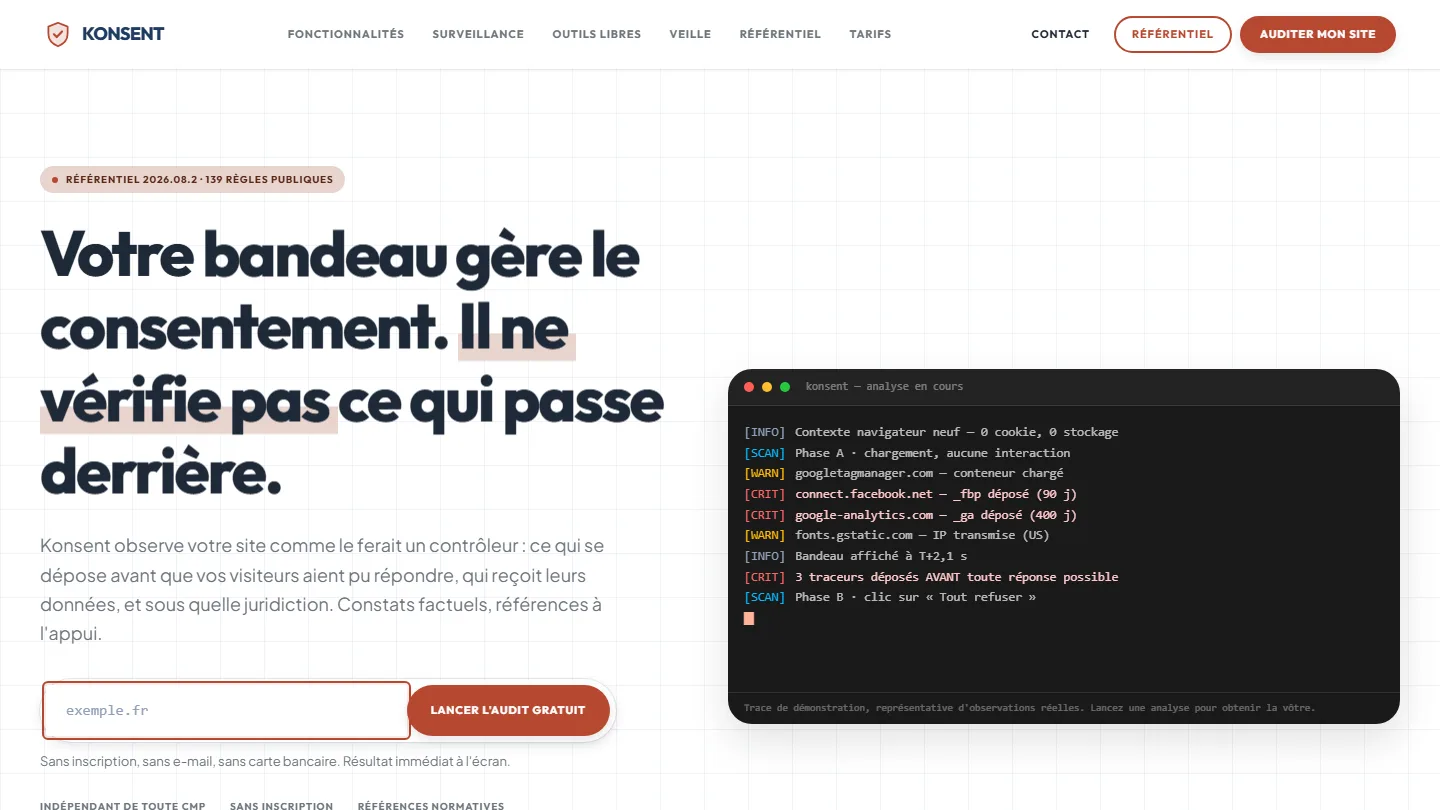 GDPR compliance & SaaS
Konsent by Kayzen
A banner vendor that audits banners is both judge and party: independence was the product.
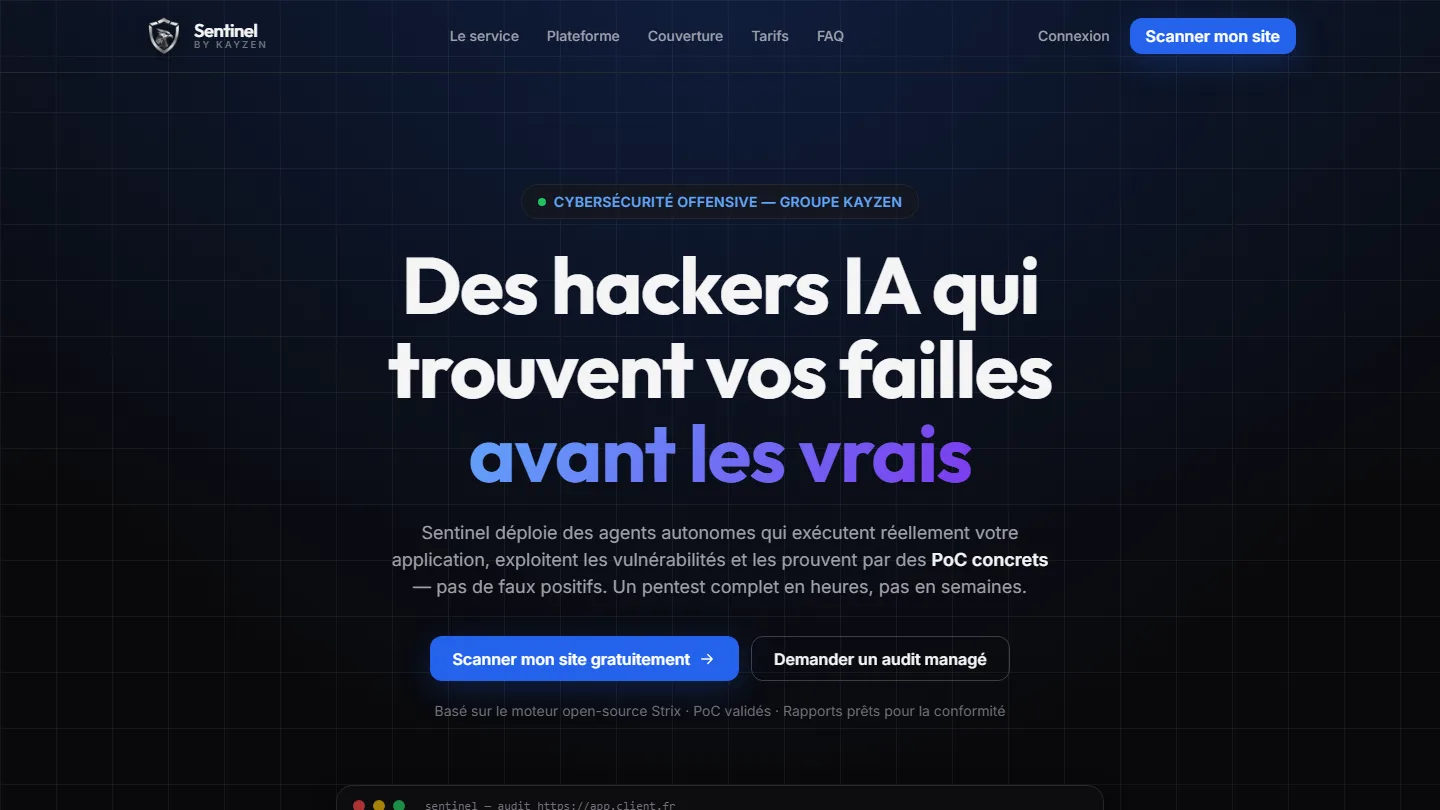 Offensive cybersecurity & SaaS
Sentinel by Kayzen
Selling a security product to engineers: every claim had to be demonstrable.
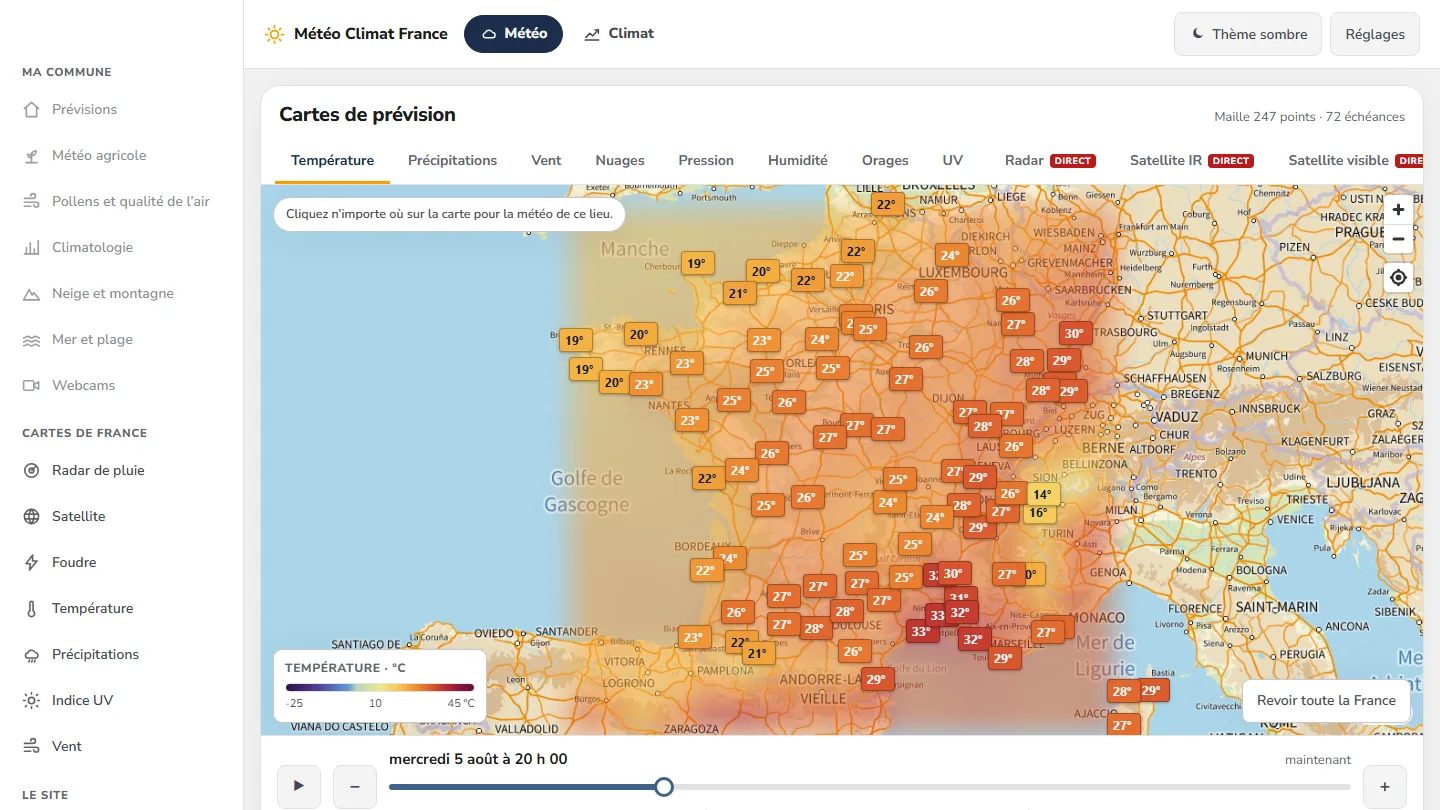 Data & weather service
Météo Climat France
358 indexable pages, a map animated over 72 time steps — and not a single line of framework.


The same high standards, for your website.
A free audit of your current site, a quote within 24 hours and written reasoning — like the case study you have just read. Pay in three interest-free instalments; local funding schemes checked before you sign.